
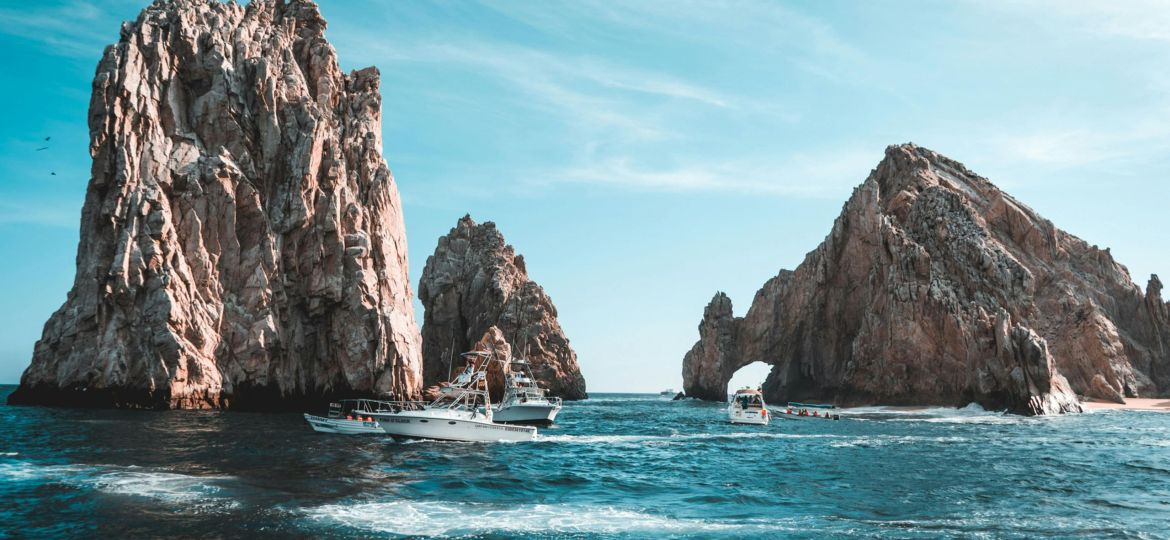
How to Travel the World on a Budget
Traveling the world doesn’t have to drain your bank account. In fact, some of the best travel memories—those unexpected friendships, $2 meals, and serendipitous detours—happen when you’re traveling on a budget. Whether you're planning your first international adventure or looking to make long-term travel sustainable, this guide will show you how to travel the world on a budget using smart strategies, personal anecdotes, and tried-and-true travel hacks.




Why Budget Travel Is More Rewarding Than Luxury Travel
Luxury travel often creates distance - you’re cushioned from real experiences. Budget travel does the opposite. It pushes you into the world, into conversations, into flavors and markets and buses that force you to interact and adapt.
One of my favorite memories is from a tiny food stall in Chiang Mai. I sat on a plastic stool, eating a 40-baht ($1.20) plate of khao soi. A local couple asked if they could share my table, and we ended up chatting for an hour about Thai festivals and hidden waterfalls. If I had eaten at a tourist restaurant, that connection never would’ve happened.
Budget travel is immersive, human, and unexpectedly rich.
Luxury travel often creates distance - you’re cushioned from real experiences. Budget travel does the opposite. It pushes you into the world, into conversations, into flavors and markets and buses that force you to interact and adapt.
One of my favorite memories is from a tiny food stall in Chiang Mai. I sat on a plastic stool, eating a 40-baht ($1.20) plate of khao soi. A local couple asked if they could share my table, and we ended up chatting for an hour about Thai festivals and hidden waterfalls. If I had eaten at a tourist restaurant, that connection never would’ve happened.
Budget travel is immersive, human, and unexpectedly rich.
10 Easy Steps to Budget Travel
1. Choose Budget-Friendly Destinations
The first step in traveling the world cheaply is choosing the right countries. Your dollar goes much further in Southeast Asia, Eastern Europe, South America, and parts of Africa.
Affordable regions include:
- Thailand, Vietnam, Indonesia
- Mexico, Colombia, Peru
- Portugal, Hungary, Poland
- Morocco, Egypt
One time, in Mexico City, I survived a full day - three meals, transit, a museum ticket - for under $15. Try doing that in Paris!
2. Travel Slow to Save More
Fast travel is expensive. Slow travel saves money because you’re not buying transport every few days. When I stayed in Belgrade for a month, my expenses dropped dramatically: renting an apartment weekly cost half the price of nightly stays, I cooked more, and I used public transit instead of taxis.
Slow travel allows you to:
- Get weekly/monthly rental discounts
- Learn local prices and avoid overpriced tourist traps
- Build routines and feel at home
3. Book Flights Strategically
Budget travelers don’t choose dates—they choose prices.
Tips:
- Use price alerts on Google Flights
- Fly midweek
- Avoid major holidays
- Go off-peak. Avoid winter and summer travel when everyone else is traveling.
- Be flexible with airports (nearby cities can be cheaper)
Once, I flew from Milan to Morocco for $17. That price dictated my next country - not a fixed travel plan. And that spontaneity led me to discover Chefchaouen, the “Blue City,” one of the most beautiful towns I’ve ever seen.
4. Use Public Transportation Like a Local
Ride the bus, metro, or tram instead of relying on taxis.
In Athens, I once paid $1.20 for a metro ride across the city while a taxi would’ve cost $18. Multiply that difference by a week - and your savings could fund an extra night in a hostel, a museum entry, or a great meal.
Public transportation also lets you:
- See how locals move around
- Explore neighborhoods tourists miss
- Avoid tourist price inflation
5. Eat Where Locals Eat (Not Where You’re Comfortable)
Food is one of the fastest ways to overspend abroad. But it’s also the easiest place to save money.
Eat like a local:
- Street food stalls
- Markets
- Worker cafés
- Bakery lunches
- Daily specials
In Lisbon, I discovered that small pastelarias serve sandwiches and soup for under $5. Meanwhile, nearby restaurants charge $18 for similar meals.
Budget travel rewards curiosity.
6. Stay in Hostels or Guesthouses - Even If You’re Not 20
Hostels aren’t just for backpackers. Many now offer private rooms with hotel-like amenities at a fraction of the cost.
Once, in Ljubljana, I stayed in a family-run guesthouse where the owner baked me fresh bread every morning and helped me plan day trips. It cost less than a hostel bunks in Amsterdam!
Look for:
- Free breakfast
- Shared kitchens
- Community events
- Free walking tours
These extras add value beyond accommodation.
7. Use Travel Apps That Save You Money
Smart travelers use smart tools.
Must-use budget apps:
* Skyscanner / Google Flights - find cheap flights
* Rome2Rio - compare transportation options
* Hostelworld / Booking - best accommodation deals
* Maps.me - offline maps
* XE Currency - avoid getting ripped off
* Too Good To Go - discounted restaurant leftovers
The right app can save you not just money, but time and stress.
8. Take Advantage of Free Activities
Some of the best experiences are free—or close to it.
Examples:
- Free walking tours
- Beaches and coastal walks
- Hiking trails
- Public parks and gardens
- Museums with free entry days
- City markets
One of my favorite memories from Japan was hiking the Fushimi Inari trail before sunrise - completely free and absolutely unforgettable.
9. Travel Light to Avoid Fees
Checked luggage fees add up fast. Traveling with a backpack forces you to pack only what you need - and makes spontaneous adventures easier.
I once sprinted to catch a ferry in Bali; if I had a heavy suitcase, I would’ve missed it. Minimalism keeps you mobile and flexible.
Pack:
1 backpack
1 versatile pair of shoes
Lightweight clothes
A microfiber towel
A reusable water bottle
Your back (and wallet) will thank you.
10. Say Yes to Opportunities (But Stay Smart)
Budget travel doesn’t mean saying yes to everything - it means choosing wisely.
Say yes to:
- Splitting meals with new friends
- Free museum nights
- Joining a group hike
- Staying longer in cheaper cities
- Taking overnight buses to save on hotels
But stay smart:
- Don’t follow strangers to unknown areas
- Keep your valuables secure
- Research neighborhoods before booking
- Avoid scams by learning common tricks
Final Thoughts: Budget Travel Isn’t About Money - It’s About Mindset
When you embrace budget travel, you stop paying for convenience and start living with intention. You meet locals, learn new skills, stretch your comfort zone, and discover how little you actually need to feel happy and free.
The world becomes bigger - and more accessible - when you learn how to explore it creatively.
The first step in traveling the world cheaply is choosing the right countries. Your dollar goes much further in Southeast Asia, Eastern Europe, South America, and parts of Africa.
Affordable regions include:
- Thailand, Vietnam, Indonesia
- Mexico, Colombia, Peru
- Portugal, Hungary, Poland
- Morocco, Egypt
One time, in Mexico City, I survived a full day - three meals, transit, a museum ticket - for under $15. Try doing that in Paris!
2. Travel Slow to Save More
Fast travel is expensive. Slow travel saves money because you’re not buying transport every few days. When I stayed in Belgrade for a month, my expenses dropped dramatically: renting an apartment weekly cost half the price of nightly stays, I cooked more, and I used public transit instead of taxis.
Slow travel allows you to:
- Get weekly/monthly rental discounts
- Learn local prices and avoid overpriced tourist traps
- Build routines and feel at home
3. Book Flights Strategically
Budget travelers don’t choose dates—they choose prices.
Tips:
- Use price alerts on Google Flights
- Fly midweek
- Avoid major holidays
- Go off-peak. Avoid winter and summer travel when everyone else is traveling.
- Be flexible with airports (nearby cities can be cheaper)
Once, I flew from Milan to Morocco for $17. That price dictated my next country - not a fixed travel plan. And that spontaneity led me to discover Chefchaouen, the “Blue City,” one of the most beautiful towns I’ve ever seen.
4. Use Public Transportation Like a Local
Ride the bus, metro, or tram instead of relying on taxis.
In Athens, I once paid $1.20 for a metro ride across the city while a taxi would’ve cost $18. Multiply that difference by a week - and your savings could fund an extra night in a hostel, a museum entry, or a great meal.
Public transportation also lets you:
- See how locals move around
- Explore neighborhoods tourists miss
- Avoid tourist price inflation
5. Eat Where Locals Eat (Not Where You’re Comfortable)
Food is one of the fastest ways to overspend abroad. But it’s also the easiest place to save money.
Eat like a local:
- Street food stalls
- Markets
- Worker cafés
- Bakery lunches
- Daily specials
In Lisbon, I discovered that small pastelarias serve sandwiches and soup for under $5. Meanwhile, nearby restaurants charge $18 for similar meals.
Budget travel rewards curiosity.
6. Stay in Hostels or Guesthouses - Even If You’re Not 20
Hostels aren’t just for backpackers. Many now offer private rooms with hotel-like amenities at a fraction of the cost.
Once, in Ljubljana, I stayed in a family-run guesthouse where the owner baked me fresh bread every morning and helped me plan day trips. It cost less than a hostel bunks in Amsterdam!
Look for:
- Free breakfast
- Shared kitchens
- Community events
- Free walking tours
These extras add value beyond accommodation.
7. Use Travel Apps That Save You Money
Smart travelers use smart tools.
Must-use budget apps:
* Skyscanner / Google Flights - find cheap flights
* Rome2Rio - compare transportation options
* Hostelworld / Booking - best accommodation deals
* Maps.me - offline maps
* XE Currency - avoid getting ripped off
* Too Good To Go - discounted restaurant leftovers
The right app can save you not just money, but time and stress.
8. Take Advantage of Free Activities
Some of the best experiences are free—or close to it.
Examples:
- Free walking tours
- Beaches and coastal walks
- Hiking trails
- Public parks and gardens
- Museums with free entry days
- City markets
One of my favorite memories from Japan was hiking the Fushimi Inari trail before sunrise - completely free and absolutely unforgettable.
9. Travel Light to Avoid Fees
Checked luggage fees add up fast. Traveling with a backpack forces you to pack only what you need - and makes spontaneous adventures easier.
I once sprinted to catch a ferry in Bali; if I had a heavy suitcase, I would’ve missed it. Minimalism keeps you mobile and flexible.
Pack:
1 backpack
1 versatile pair of shoes
Lightweight clothes
A microfiber towel
A reusable water bottle
Your back (and wallet) will thank you.
10. Say Yes to Opportunities (But Stay Smart)
Budget travel doesn’t mean saying yes to everything - it means choosing wisely.
Say yes to:
- Splitting meals with new friends
- Free museum nights
- Joining a group hike
- Staying longer in cheaper cities
- Taking overnight buses to save on hotels
But stay smart:
- Don’t follow strangers to unknown areas
- Keep your valuables secure
- Research neighborhoods before booking
- Avoid scams by learning common tricks
Final Thoughts: Budget Travel Isn’t About Money - It’s About Mindset
When you embrace budget travel, you stop paying for convenience and start living with intention. You meet locals, learn new skills, stretch your comfort zone, and discover how little you actually need to feel happy and free.
The world becomes bigger - and more accessible - when you learn how to explore it creatively.
